四级课程经典
0基础速升HOT
去试听
四级1对1
定制化
四级听力技巧
0元
阅读冲刺 200+大招
0元
四级核心词
必备
四级真题答案
免费
VOA&BBC原声听力
热门
《满绩攻略》免费
132个保研故事免费
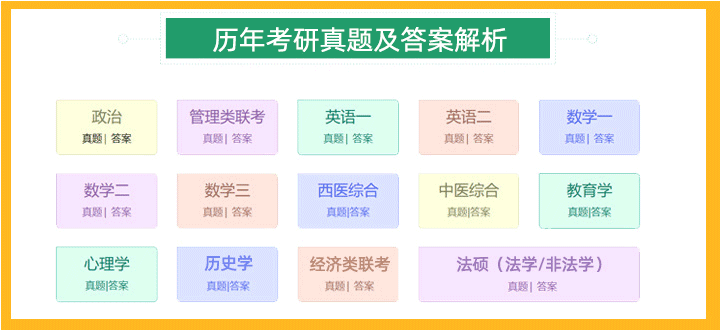
考研真题大全
免费
考研特训营
免费
27考研书单
省钱版
考研AI择校
智能
Women’s Positions in the 17th Century
Social circumstances in Early Modern England mostly served to repress women’s voices. Patriarchal culture and institutions constructed them as chaste, silent, obedient, andsubordinate. At the beginning of the 17th century, the ideology of patriarchy, politicalabsolutism, and gender hierarchy were reaffirmed powerfully by King James in The Trew Lawof Free Monarchie and the Basilikon Doron; by that ideology the absolute power of God thesupreme patriarch was seen to be imaged in the absolute monarch of the state and in thehusband and father of a family. Accordingly, a woman’s subjection, first to her father and thento her husband, imaged the subjection of English people to their monarch, and of allChristians to God. Also, the period saw an outpouring of repressive or overtly misogynistsermons, tracts, and plays, detailing women’s physical and mental defects, spiritual evils, rebelliousness, shrewish ness, and natural inferiority to men.
Yet some social and cultural conditions served to empower women. During the Elizabethanera (1558—1603) the culture was dominated by a powerful Queen, who provided animpressive female example though she left scant cultural space for other women. Elizabethanwomen writers began to produce original texts but were occupied chiefly with translation. Inthe 17th century, however, various circumstances enabled women to write original texts insome numbers. For one thing, some counterweight to patriarchy was provided by femalecommunities—mothers and daughters, extended kinship networks, close female friends, theseparate court of Queen Anne (King James’ consort) and her often oppositional masques andpolitical activities. For another, most of these women had a reasonably good education (modernlanguages, history, literature, religion, music, occasionally Latin) and some apparently foundin romances and histories more expansive terms for imagining women’s lives. Also, representation of vigorous and rebellious female characters in literature and especially on thestage no doubt helped to undermine any monolithic social construct of women’s matureand role.
Most important, perhaps, was the radical potential inherent in the Protestant insistence onevery Christian’s immediate relationship with God and primary responsibility to follow his orher individual conscience. There is plenty of support in St Paul’s epistles and elsewhere in theBible for patriarchy and a wife’s subjection to her husband, but some texts (notably Galatians3:28) inscribe a very different politics, promoting women’s spiritual equality: “There isneither Jew nor Greek, there is neither bond nor free, there is neither male nor female: for yeare all one in Jesus Christ.” Such texts encouraged some women to claim the support of Godthe supreme patriarch against the various earthly patriarchs who claimed to stand towardthem in his stead.
There is also the gap or slippage between ideology and common experience. English womenthroughout the 17th century exercised a good deal of accrual power: as managers of estates intheir husbands’ absences at court or on military and diplomatic missions; as members ofguilds; as wives and mothers who apex during the English Civil War and Interregnum
as the execution of the King and the attendant disruption of social hierarchies led manywomen to seize new roles—as preachers, as prophetesses, as deputies for exiled royalisthusbands, as writers of religious and political tracts.
1. What is the best title for this passage?
[A]. Women’s Position in the 17th Century.
[B]. Women’s Subjection to Patriarchy.
[C]. Social Circumstances in the 17th Century.
[D]. Women’s objection in the 17th Century.
2. What did the Queen Elizabeth do for the women in culture?
[A]. She set an impressive female example to follow.
[B]. She dominated the culture.
[C]. She did little.
[D]. She allowed women to translate something.
3. Which of the following is Not mention as a reason to enable women to originaltexts?
[A].Female communities provided some counterweight to patriarchy.
[B]. Queen Anne’s political activities.
[C]. Most women had a good education.
[D]. Queen Elizabeth’s political activities.
4. What did the religion so for the women?
[A]. It did nothing.
[B]. It too asked women to be obedient except some texts.
[C]. It supported women.
[D]. It appealed to the God.
新东方英语四级好课免费听↓↓↓
| 课程名称 | 课程亮点 | 试听 |
| 【小班课】英语四六级零基础无忧计划 | 1V1私教 | 免费试听 |
| 【零基础】四六级全科专项突破 | 零基础速升 | 免费试听 |
| 【公开课】听力/阅读/写作/翻译提升 | 名师小课 | 免费试听 |
| 【经典】英语四六级全程班 | 超高性价比 | 免费试听 |
| 了解更多四六级课程 | ||


 资料下载
资料下载
新东方四级词汇乱序版电子资料
发布时间:2020-04-15关注四六级小助手服务号
回复【过级词汇】获取
英语口语8000句电子书籍
发布时间:2020-04-15关注四六级小助手服务号
回复【过级词汇】获取
新东方在线[四六级王牌团队]典藏笔记(...
发布时间:2019-10-25关注四六级小助手服务号
回复【典藏笔记】获取
英语四级过级备考资料:经验+计划+语法
发布时间:2019-10-25关注四六级小助手服务号
回复【过级经验】获取
英语四级阅读讲义+长难句+翻译
发布时间:2019-10-25关注四六级小助手服务号
回复【阅读礼包】获取
英语四级写作模板|范文|句型|讲义
发布时间:2019-10-25关注四六级小助手服务号
回复【写作指导】获取
新东方·大学英语四级听力特训附音频
发布时间:2019-10-25关注四六级小助手服务号
回复【听力礼包】获取
英语四级口语考试练习题目【word版】
发布时间:2019-10-25关注四六级小助手服务号
回复【口语提升】获取
俞敏洪词根词缀记忆法
发布时间:2019-10-25关注四六级小助手服务号
回复【过级词汇】获取

关注四六级小助手服务号回复【典藏笔记】获取
关注新东方四级服务号,
获取学习资料
 推荐阅读
推荐阅读
在备考英语四级阅读时,重点应放在提高阅读速度和理解文章主旨上。多做练习,熟悉常见题型和技巧,有助于应对考试挑战。新东方在线小编为大家整理了“2024年12月英语四级阅读段落信息匹配题练习及答案(1)”,希望能为大家带来帮助。
来源 : 网络 2024-09-11 08:40:00 关键字 : 英语四级阅读
在备考英语四级阅读时,重点应放在提高阅读速度和理解文章主旨上。多做练习,熟悉常见题型和技巧,有助于应对考试挑战。新东方在线小编
来源 : 网络 2024-09-11 08:40:00 关键字 : 英语四级阅读
在备考英语四级阅读时,重点应放在提高阅读速度和理解文章主旨上。多做练习,熟悉常见题型和技巧,有助于应对考试挑战。新东方在线小编为大家整理了“2024年12月英语四级阅读段落信息匹配题练习及答案(3)”,希望能为大家带来帮助。
来源 : 网络 2024-09-11 08:40:00 关键字 : 英语四级阅读
在备考英语四级阅读时,重点应放在提高阅读速度和理解文章主旨上。多做练习,熟悉常见题型和技巧,有助于应对考试挑战。新东方在线小编为大家整理了“2024下半年大学英语四级阅读理解习题(41)”,希望能为大家带来帮助。
来源 : 网络 2024-09-11 08:34:00 关键字 : 英语四级阅读
在备考英语四级阅读时,重点应放在提高阅读速度和理解文章主旨上。多做练习,熟悉常见题型和技巧,有助于应对考试挑战。新东方在线小编为大家整理了“2024下半年大学英语四级阅读理解习题(42)”,希望能为大家带来帮助。
来源 : 网络 2024-09-11 08:34:00 关键字 : 英语四级阅读

 专项提升公开课
一站式扫清备考障碍!
价格 : ¥229元
限报人数:1000人
全新重磅升级!专为基础薄弱打造
价格 : ¥279元
限报人数:1000人
32h 全方位拯救听力
价格 : ¥1799元
限报人数:1000人
资料下载
关注四六级小助手服务号
回复【过级词汇】获取
关注四六级小助手服务号
回复【过级词汇】获取
关注四六级小助手服务号
回复【典藏笔记】获取
关注四六级小助手服务号
回复【过级经验】获取
关注四六级小助手服务号
回复【阅读礼包】获取
关注四六级小助手服务号
回复【写作指导】获取
关注四六级小助手服务号
回复【听力礼包】获取
关注四六级小助手服务号
回复【口语提升】获取
关注四六级小助手服务号
回复【过级词汇】获取
 阅读排行榜
阅读排行榜
 相关内容
相关内容

 网友热搜
网友热搜